


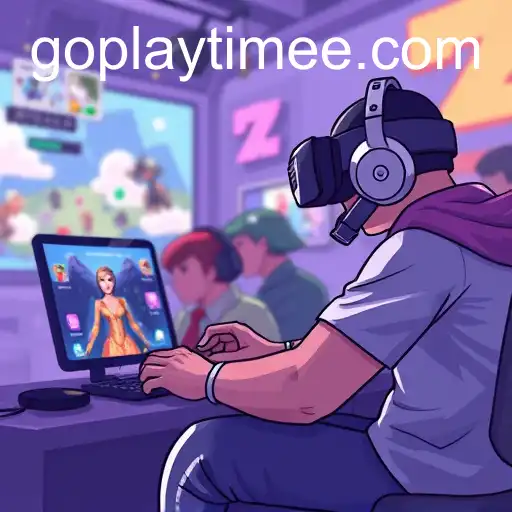
In recent years, the digital gaming landscape has seen a significant transformation, driven by advances in technology and changing societal dynamics. One of the leading trends in 2025 is the increased focus on community-driven gaming platforms, with websites like 'Go Playtime' serving as central hubs for gamers worldwide.
The concept of online gaming communities is not new; however, their evolution over the past few years has been remarkable. As we navigate the digital age, these communities provide not just a platform for gaming but also a space for social interaction and collaboration. With the gaming industry now valued at hundreds of billions of dollars, it's clear that the appeal of immersive and interactive play is stronger than ever.
'Go Playtime' exemplifies this shift towards community-centric gaming. The site has garnered attention for its innovative approaches to player engagement, offering a diverse array of games that cater to varied interests while fostering a sense of belonging among users. The integration of chat functions, forums, and user-generated content has been pivotal in nurturing a vibrant online environment where gamers can share strategies, form alliances, and build friendships.
Recent reports indicate that the time spent on gaming platforms has increased, reflecting a growing trend where virtual interactions are becoming an integral part of daily life. The COVID-19 pandemic played a significant role in accelerating this trend, as people sought connection through digital mediums during times of physical distancing.
Critics and supporters alike discuss the impact of this shift on traditional social interactions, but it is undeniable that gaming communities like 'Go Playtime' offer a unique opportunity for people to come together regardless of geographic limitations. As we look to the future, the ongoing developments in virtual reality and artificial intelligence promise to further enhance these digital experiences, making them more immersive and engaging.
The popularity and growth of online gaming platforms highlight an important cultural shift in how entertainment and socialization intersect in the 21st century. It poses new questions and considerations for developers, sociologists, and educators striving to understand the full impact of these digital forums on personal and societal levels.